

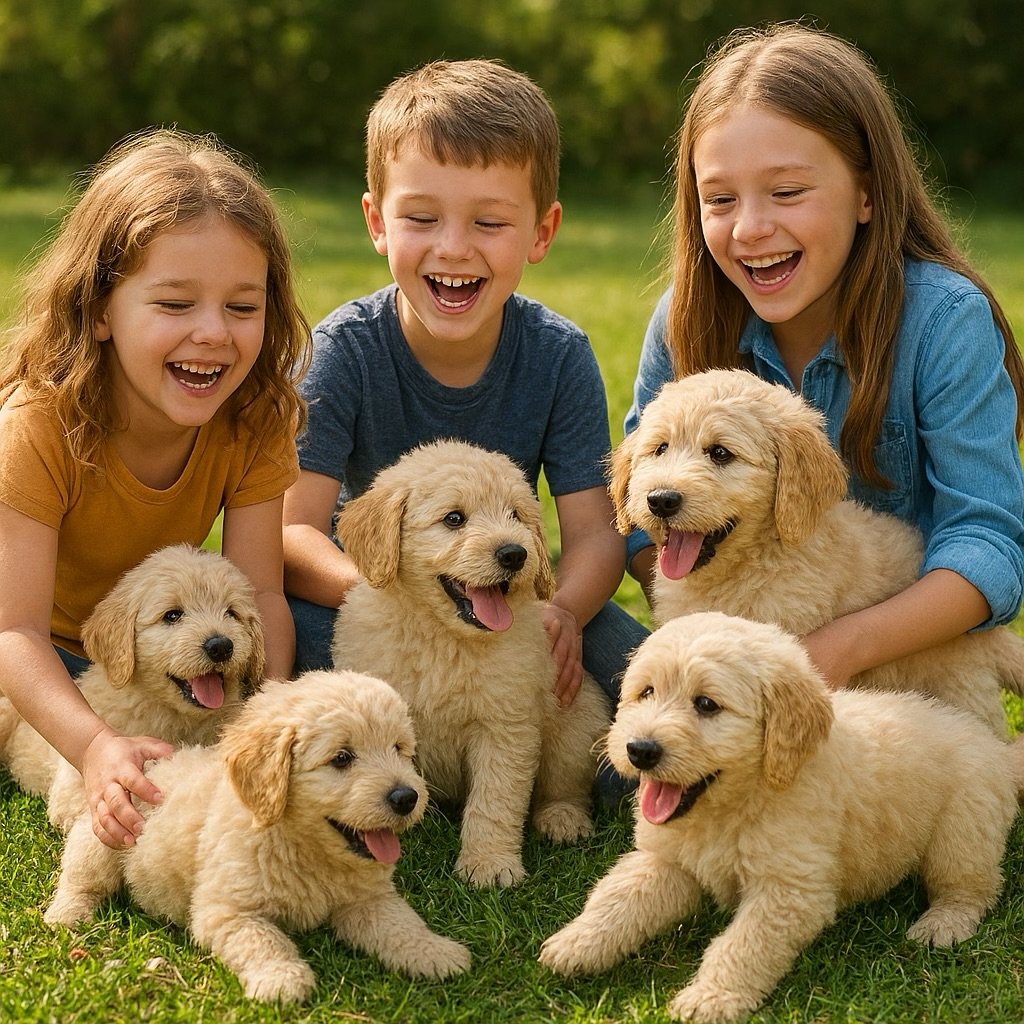
If you have ever watched your child wrap their arms around a dog and instantly light up, you already know this choice matters. When families ask me about the best family dogs with kids, I always tell them the same thing first – the right dog is not just cute or popular. The right dog fits your home, your children’s ages, your energy level, and the kind of daily life you really live.
Some breeds are naturally gentle, patient, and eager to be close to their people. Others may be wonderful dogs, but they are not always the easiest match for busy homes with young children. A good family dog should be affectionate, trainable, stable in temperament, and able to handle the noise and activity that come with family life.
What makes the best family dogs with kids?
Temperament comes before everything else. Families often start by looking at size, coat type, or how adorable a puppy looks, but a dog’s personality will affect everyday life far more. A dog that is patient, social, and eager to please usually settles into a family home more smoothly than one that is highly sensitive or independent.
Trainability matters too. Children are still learning, and dogs are too. That means the best family matches are often breeds that respond well to guidance and enjoy being part of family routines. A dog that wants to learn and connect can be much easier for first-time owners.
Energy level is another big factor. Some families want a hiking buddy and backyard playmate. Others want a calmer companion who enjoys walks and cuddle time. Neither is wrong, but a mismatch can create stress fast. A high-energy dog in a low-activity home may become frustrated, while a laid-back dog may not keep up with a very active crew.
12 best family dogs with kids
1. Goldendoodle
I have a soft spot here for obvious reasons, but I also believe Goldendoodles have earned their place on this list. They are affectionate, intelligent, social, and usually very connected to their people. In many homes, they thrive because they truly want to be involved in family life.
Goldendoodles also come in different sizes, which helps families choose what fits their home best. A standard size can be great for active families who want a sturdy, playful companion, while a smaller size may work better for tighter spaces. Coat type and shedding expectations should always be discussed honestly, but many families especially appreciate their lower-shedding coats.
That said, they do need regular grooming, training, and daily interaction. A Goldendoodle is not the kind of dog who wants to be left out in the yard and forgotten.
2. Labrador Retriever
Labradors have been loved by families for years for good reason. They are friendly, playful, and usually very patient with children. Many Labs are outgoing and adaptable, which makes them a natural fit for busy homes.
The trade-off is energy. Young Labs especially can be very active and strong. They need exercise, structure, and training so their enthusiasm does not knock over little ones by accident.
3. Golden Retriever
Golden Retrievers are known for their sweet nature and willingness to please. They are often gentle with children and enjoy being part of every family activity. Their personality tends to be steady and loving, which is why so many families consider them.
They do shed quite a bit, and they need regular brushing and exercise. If your family wants a lower-shedding dog, this may not be the best fit.
4. Cavalier King Charles Spaniel
For families who want a smaller dog, the Cavalier is often a lovely choice. They are affectionate, gentle, and very people-oriented. Many do especially well in homes where they get plenty of closeness and companionship.
Because they are smaller, supervision with very young children is important. Even the sweetest dog can be overwhelmed by rough handling.
5. Bernese Mountain Dog
Bernese Mountain Dogs are known for being calm, loyal, and good-natured. They often have a gentle presence that works beautifully with children. Their size can be comforting, but it can also be a challenge if your space is limited.
They also have thick coats and shed heavily, so grooming and cleanup come with the territory.
6. Beagle
Beagles are cheerful, curious, and usually good with kids. They can be wonderful for families who want a smaller to medium-sized dog with a happy personality. They tend to enjoy play and companionship.
Still, they are scent-driven dogs and can be stubborn. Training takes patience and consistency.
7. Poodle
Poodles, whether toy, miniature, or standard, are highly intelligent and often excellent family companions. They are quick learners and can be wonderful for homes that want a low-shedding breed. Standard Poodles especially can do very well with children because they combine brains, athleticism, and affection.
Their coats require regular grooming, and their intelligence means they need mental stimulation, not just a short walk.
8. Boxer
Boxers are playful, loyal, and often deeply devoted to their families. They can be excellent with children when properly trained and socialized. They tend to have a fun-loving spirit that matches active households well.
The downside is that they can be bouncy, especially when young. Families with toddlers need to be prepared for that big, joyful energy.
9. Bichon Frise
The Bichon Frise is small, affectionate, and often very social. Many families like that they are cheerful and lower-shedding. They can be a good fit for homes that want a compact companion with a friendly nature.
Like other small breeds, they need gentle handling and regular grooming.
10. Collie
Collies are intelligent, loyal, and often naturally gentle with children. They tend to be attentive and responsive, which families appreciate. Their reputation as family dogs is well earned.
They do need grooming, and some can be sensitive, so a calm, kind training approach works best.
11. Newfoundland
Newfoundlands are famous for their sweet and patient temperament. Many people describe them as gentle giants, and in the right home that is very true. They can be wonderful with kids and very devoted.
But they are massive dogs. Size, drool, grooming, and space requirements are real considerations.
12. Irish Setter
Irish Setters are affectionate, playful, and full of energy. They often do well with older children who can keep up with their activity level. They are beautiful, loving dogs that enjoy being around people.
For families with a quieter lifestyle, though, they may be more dog than you want.
How to choose the best family dog for your home
The best family dogs with kids are not always the same from one household to the next. A family with toddlers, a fenced yard, and lots of outdoor time may do beautifully with a larger, more energetic breed. A family in a smaller home with younger children may need a calmer dog or a smaller companion.
I always encourage families to think honestly about everyday life. How much time do you have for training? How often will the dog be alone? Do you want a jogging partner or a cuddle buddy? Are allergies part of the picture? These questions matter more than trends.
Age matters too, both for the children and the dog. Very young puppies are adorable, but they need training, supervision, potty routines, and patience. Some families are ready for that season. Others may prefer a breed known for a steadier temperament as it matures.
Breed matters, but early raising matters too
This is something I care deeply about. Even the best breed traits can be weakened by poor breeding or limited early socialization. A puppy’s start in life shapes confidence, trust, and adaptability.
That is why I believe home-raised puppies have such an advantage. When puppies are handled daily, exposed to normal household sounds, loved well, and raised with care, they are often better prepared for family life. They are learning from the beginning that people are safe, affection is normal, and daily life includes noise, routines, and connection.
That does not mean every puppy from a good environment is identical. Personalities still vary. But a strong foundation makes a real difference.
Helping children and dogs build a safe relationship
Even when you choose one of the best family dogs with kids, success still depends on teaching both sides. Children need to learn how to respect a dog’s space, especially during meals, rest, or quiet time. Dogs need gentle training so they understand what is expected in the home.
I always think the best relationships happen when families slow down and guide those first interactions carefully. Teach children to pet gently, avoid climbing on the dog, and recognize when the dog wants a break. Teach the puppy simple boundaries, a calm routine, and that good things happen when they respond well.
That kind of consistency builds trust, and trust is what turns a puppy into a true family companion.
If you are trying to choose the right dog for your family, give yourself permission to look beyond what is popular and focus on what is truly livable. The sweetest match is the one that brings peace, joy, and companionship into your home for years to come.