

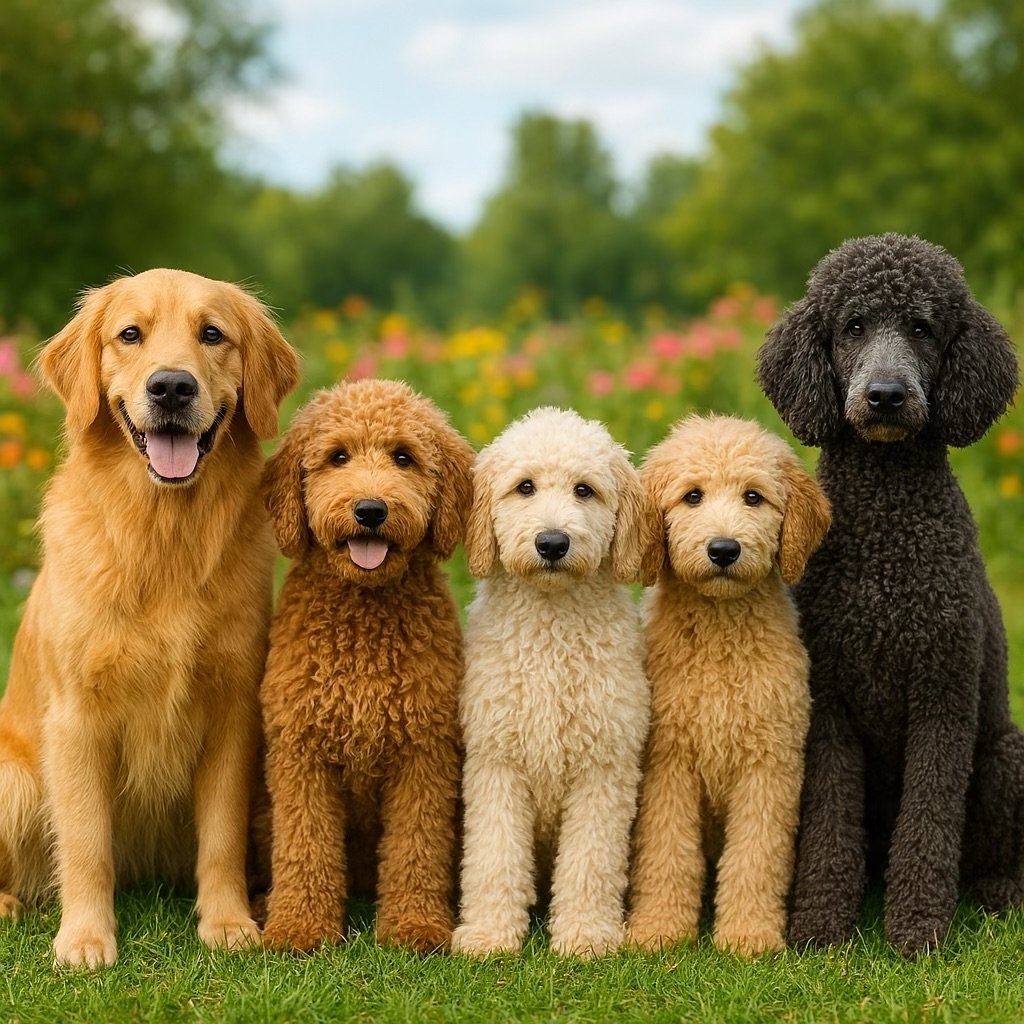
Some dogs seem to know exactly when you need them. They lean in a little closer, rest their head on your lap, and stay beside you without being asked. That is why so many families start searching for the top emotional support dog breeds – not just for a pet, but for a steady, loving companion who brings comfort into everyday life.
As someone who spends a lot of time raising family-centered puppies, I always tell people the same thing first: there is no single perfect emotional support breed for everyone. The right fit depends on your home, your routine, your activity level, and the kind of connection you hope to have with your dog. Some people need a calm cuddle buddy. Others do better with a dog that encourages them to get outside, stay active, and stick to a routine.
What makes a dog good for emotional support?
A good emotional support dog usually has a few qualities in common. Temperament matters more than appearance. You want a dog that is affectionate, stable, people-oriented, and able to adjust well to daily life.
Trainability also matters. Even though emotional support dogs do not need the same task training as service dogs, a dog that listens well and handles new environments with confidence is usually much easier to live with. That makes a real difference when emotions are already running high.
Size is another part of the picture. A larger dog can feel grounding and comforting, especially for people who love a dog they can hug and lean against. A smaller dog may be better for apartment living, travel, or households that want an easier-to-manage companion. Neither is automatically better. It depends on your lifestyle.
Top emotional support dog breeds for families and individuals
Golden Retriever
Golden Retrievers are often near the top of the list for a reason. They are friendly, deeply loyal, and naturally tuned in to their people. Many families love their gentle nature with children, and many adults appreciate how emotionally responsive they can be.
The trade-off is that Goldens need regular exercise, attention, and grooming. They also shed quite a bit. For some homes, that is no problem. For others, especially those concerned about allergies, that can be a deciding factor.
Labrador Retriever
Labradors are loving, social, and eager to please. They often bond strongly with their families and do well in homes where they are included in everyday life. Labs can bring a wonderful balance of comfort and cheerful energy.
That said, they are usually not couch potatoes. A Lab without enough exercise can become restless or destructive. If you want a dog that helps you stay engaged and active, that can be a real strength.
Goldendoodle
Goldendoodles are one of my favorite choices when families ask about emotional support companions. They often combine the affectionate, friendly nature people love in Golden Retrievers with the intelligence and low-shedding coat qualities many appreciate in Poodles. In the right home, they can be incredibly intuitive, loving, and easy to bond with.
This is especially true when they are raised with early socialization, daily handling, and close family interaction. A well-bred Goldendoodle with a stable temperament can do beautifully as an emotional support companion for adults, couples, and families with children. They do need companionship, structure, and grooming, so they are best for homes that want a dog to truly be part of the family.
Poodle
Poodles are sometimes underestimated because people focus on their coat or appearance first. In reality, they are one of the smartest and most sensitive breeds out there. They tend to be very people-focused and highly trainable, which can make them wonderful emotional support dogs.
One of the biggest advantages is versatility. Standard, Miniature, and Toy Poodles give families options depending on space and lifestyle. They do require regular grooming, and because they are intelligent, they also need mental engagement. A bored Poodle usually finds their own entertainment.
Cavalier King Charles Spaniel
If you want a dog that truly loves being close, the Cavalier is hard to overlook. These dogs are affectionate, gentle, and often happiest curled up beside their person. They can be a beautiful fit for someone who wants steady companionship and a softer, lower-key presence.
They are smaller and easier to manage in many homes, but they still need attention and care. I would not recommend this breed for someone who plans to leave a dog alone for very long hours on a regular basis.
Bichon Frise
The Bichon Frise is cheerful, loving, and often a great choice for people who want a smaller emotional support dog. They tend to enjoy being with people and can do well in apartments or smaller homes. Their coat is also a plus for many families looking for a lower-shedding option.
The main thing to remember is that a Bichon needs regular grooming and companionship. They are not usually happiest being left alone too much.
Cocker Spaniel
Cocker Spaniels have a sweet, loving personality that many people find comforting. They are often very devoted to their families and enjoy closeness without always being overly demanding. They can be especially nice for households that want a medium-sized dog with a gentle spirit.
As with any breed, careful breeding and socialization matter. Some lines can be more sensitive than others, so temperament should always be part of the conversation.
Maltese
For people who want a very small companion dog, the Maltese is worth considering. They are affectionate, portable, and often strongly attached to their people. Their size can make them a practical fit for seniors, apartment dwellers, or anyone who wants a lap dog with emotional warmth.
Small size does not always mean low maintenance, though. A Maltese still needs training, grooming, and consistent care. Very tiny dogs can also be more fragile in homes with rough young children.
Bernese Mountain Dog
A Bernese Mountain Dog offers a very different kind of comfort. They are large, calm, and deeply devoted. Some people feel especially secure with a bigger dog nearby, and the Bernese can bring that steady, gentle presence.
The downside is size, shedding, and a shorter average lifespan than many families would like. They also do best in homes that can handle a large breed comfortably.
Havanese
The Havanese is friendly, adaptable, and affectionate. They often fit nicely into many types of households and tend to enjoy being involved in family life. Their playful nature can be uplifting, but they also love closeness and companionship.
For many people, they offer a nice middle ground – small enough to manage easily, but sturdy and social enough to handle a busy home.
How to choose from the top emotional support dog breeds
When families ask me how to choose, I encourage them to think less about rankings and more about daily life. Ask yourself what your days really look like. Are you home often, or gone for long stretches? Do you want a dog that joins you on walks and outings, or one that is happiest snuggled on the couch? Are allergies part of the picture? Do you have children? Do you want a large dog that feels grounding, or a smaller one that is easier to travel with?
This is where honest answers matter. A breed can be wonderful on paper and still not be the right fit for your household. Energy level, grooming needs, shedding, noise, and trainability all affect how supported you will feel once the excitement of bringing home a puppy settles into everyday routine.
It is also worth saying that breed is only part of the story. Early socialization, responsible breeding, health, and individual personality all matter. A calm, thoughtfully raised puppy often has a better start than one from a stressful environment, even if they are the same breed.
A few gentle reminders before bringing one home
An emotional support dog should add comfort, but that relationship still requires care, time, and responsibility. Puppies need patience. Adult dogs need consistency. Even the sweetest breed will need house training, boundaries, exercise, and regular vet care.
If you are looking for a puppy specifically because you hope for emotional connection, pay very close attention to temperament and upbringing. In my experience, dogs raised inside the home with daily affection, handling, and real family interaction tend to transition more smoothly and connect more naturally with their people.
There is something very special about the right dog finding the right home. Not because they make every hard day disappear, but because they bring comfort, routine, joy, and companionship into the middle of real life. If you take the time to choose carefully, one of these top emotional support dog breeds may become far more than a pet. They may become the steady little heart beside you that helps home feel even more like home.