The moment a breeder avoids your questions, rushes your deposit, or seems more focused on moving puppies than matching families, your instincts usually tell you something is off. When families ask me about the signs of ethical dog breeder practices, I tell them to look past cute puppy photos and pay attention to how the breeder lives, communicates, and cares for their dogs every single day.
Choosing a puppy is a big family decision. This little dog will sleep in your home, grow up with your children, and become part of your everyday life. That is why the breeder matters so much. A good breeder is not just producing puppies. They are shaping health, temperament, confidence, and the puppy’s start in the world.
Why the signs of ethical dog breeder practices matter
An ethical breeder thinks long term. That means they care about the parents, the puppies, and the families who bring those puppies home. They are not just looking at whether a litter can be sold. They are asking whether the pairing is healthy, whether the puppies are being raised well, and whether each home is truly a good fit.
This matters because early experiences stay with a puppy. Proper socialization, clean living conditions, thoughtful handling, and good genetics all play a role in how a dog develops. Families often focus on coat color or size first, which is understandable, but temperament and health matter far more over the years.
1. They welcome questions and answer them clearly
A trustworthy breeder should not make you feel like asking questions is a problem. In fact, I believe good questions are a sign that a family is taking this decision seriously. You should be able to ask about health testing, parent dogs, temperament, socialization, feeding, vet care, and what support looks like after pickup.
Clear answers matter more than polished answers. A breeder does not need fancy language. They do need honesty. If there is a concern, a delay, or a limitation, they should be willing to explain it in a straightforward way.
2. Their dogs are part of daily family life
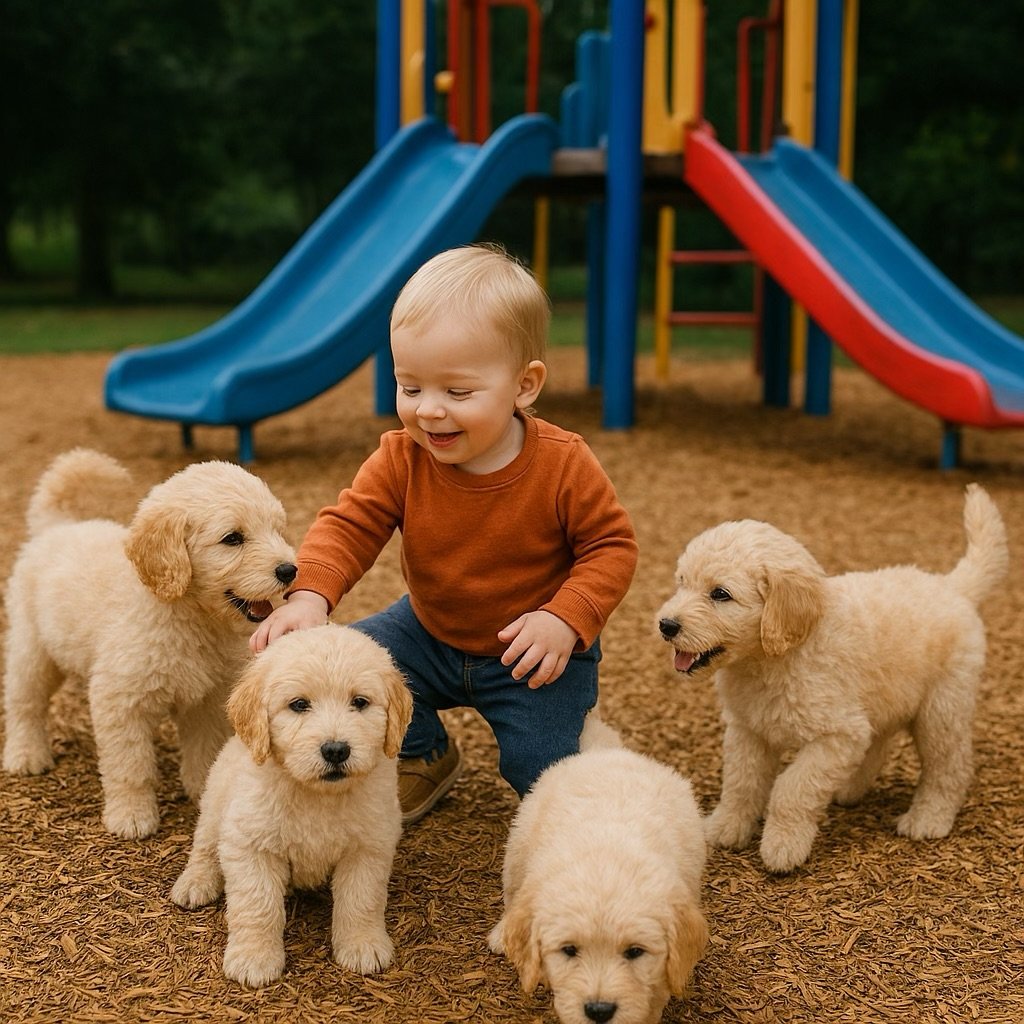
One of the clearest signs of ethical dog breeder care is where and how the puppies are raised. Puppies who grow up in a home environment hear normal household sounds, experience daily human interaction, and learn that people are safe and comforting. That foundation can make a real difference when they transition into a new home.
Kennel-raised puppies are not automatically bad, but environment matters. A puppy raised with regular touch, conversation, play, and exposure to home life often has an easier time adjusting. If a breeder cannot show you where the puppies spend their time or describe their daily routine, I would pay close attention.
3. They health test their parent dogs
This is a big one, and it is often misunderstood. A vet check alone is not the same as full health testing. Ethical breeders screen parent dogs for issues that can be passed down, especially conditions known to affect the breed or type of dog they raise.
The exact testing can vary depending on the breed, so this is one of those areas where it depends. Still, a breeder should be able to explain what testing has been done and why it matters. If they say their dogs are healthy because they have never had a problem, that is not the same as responsible screening.
4. They care about temperament, not just appearance
Families are often drawn to a certain look, and I understand that. But a beautiful puppy with a poor temperament match can be hard on a household. Ethical breeders pay close attention to personality traits in the parent dogs and in the puppies as they grow.
That means they are thinking about confidence, affection, trainability, energy level, and how a puppy may fit with children or first-time owners. They are not just breeding for size or coat. They are trying to give families a companion who will truly thrive in their home.
5. They do not always have puppies available
This may sound surprising, but constant availability can be a red flag. Ethical breeding is planned carefully, and litters are not produced nonstop. A breeder may have a waiting list, limited litters each year, or periods when no puppies are available at all.
That does not mean every breeder with available puppies is doing something wrong. Timing happens. But if someone always seems to have many litters ready to go, across multiple breeds, with little information about the parent dogs or care, that deserves a closer look.
6. They ask you questions too
A good breeder is not trying to send every puppy home as fast as possible. They want to know about your family, schedule, home environment, experience with dogs, and what you are hoping for in a puppy. That is not being nosy. That is being responsible.
When a breeder asks thoughtful questions, it shows they care where their puppies go. They know that a successful match helps both the puppy and the family. If someone is willing to sell a puppy with no real conversation about your home, that is usually not a great sign.
7. They provide records and explain their process
Transparency builds trust. Ethical breeders are usually comfortable sharing details about vaccinations, deworming, vet checks, feeding routines, and any health guarantee they offer. They should also explain what the puppy has experienced so far, such as handling, grooming introduction, crate exposure, or early socialization.
This is one of the signs of ethical dog breeder standards that families can verify easily. You should not have to guess what care your puppy has received. The breeder should be organized enough to walk you through it.
8. They stay involved after the puppy goes home
For me, this matters deeply. Sending a puppy home is not the end of the relationship. Ethical breeders want updates, answer questions, and remain a resource when families need help. That support can be especially valuable for first-time dog owners.
Some families need guidance with crate training, feeding transitions, or helping a puppy settle in. Others want advice months later about grooming, adolescence, or behavior changes. A breeder who disappears after payment is very different from one who genuinely cares how the puppy is doing in the forever home.
9. Their contract protects the puppy, not just the sale
A contract should do more than outline payment. It should reflect the breeder’s responsibility and standards. In many cases, ethical breeders include health terms, care expectations, and what should happen if a family can no longer keep the dog.
This is an area where details can differ, and that is normal. Still, the spirit of the agreement should be clear. The breeder should be looking out for the puppy’s well-being, not simply protecting a transaction.
10. You feel care, not pressure
Sometimes the biggest clue is the overall tone of the experience. Ethical breeders educate. They guide. They answer. They do not pressure you to decide on the spot, and they do not make you feel guilty for wanting time to think.
Bringing home a puppy should feel exciting, but also peaceful. If the process feels rushed, secretive, or overly sales-focused, I would slow down. The right breeder understands that families need confidence, not pressure.
A few red flags worth taking seriously
Some warning signs are hard to ignore. If a breeder refuses to let you see where puppies are raised, cannot explain health testing, has no questions for you, or offers several breeds with constant litters, that should give you pause. The same goes for meeting in random parking lots, avoiding paperwork, or pricing that shifts depending on urgency.
Not every imperfect detail means someone is unethical. Life happens, and small breeders are still human. But patterns matter. When there is a lack of transparency in several areas at once, it is wise to step back.
How to use these signs when choosing a breeder
If you are searching for the right puppy, try to think of the breeder as your puppy’s first teacher and caregiver. Ask how the puppies are raised. Ask what health testing is done on the parents. Ask what kind of support is offered after pickup. Listen not only to the answers, but to the heart behind them.
I have found that families usually know when something feels sincere. Ethical breeding is hard work, and it is deeply personal. It shows up in clean spaces, healthy parent dogs, confident puppies, honest communication, and a real desire to place each puppy with care.
A well-raised puppy gets more than a good start. That puppy gets the kind of beginning that helps them become a loving, steady, joyful member of your family for years to come. Take your time, trust what you see, and choose a breeder who treats every puppy like they already matter.